
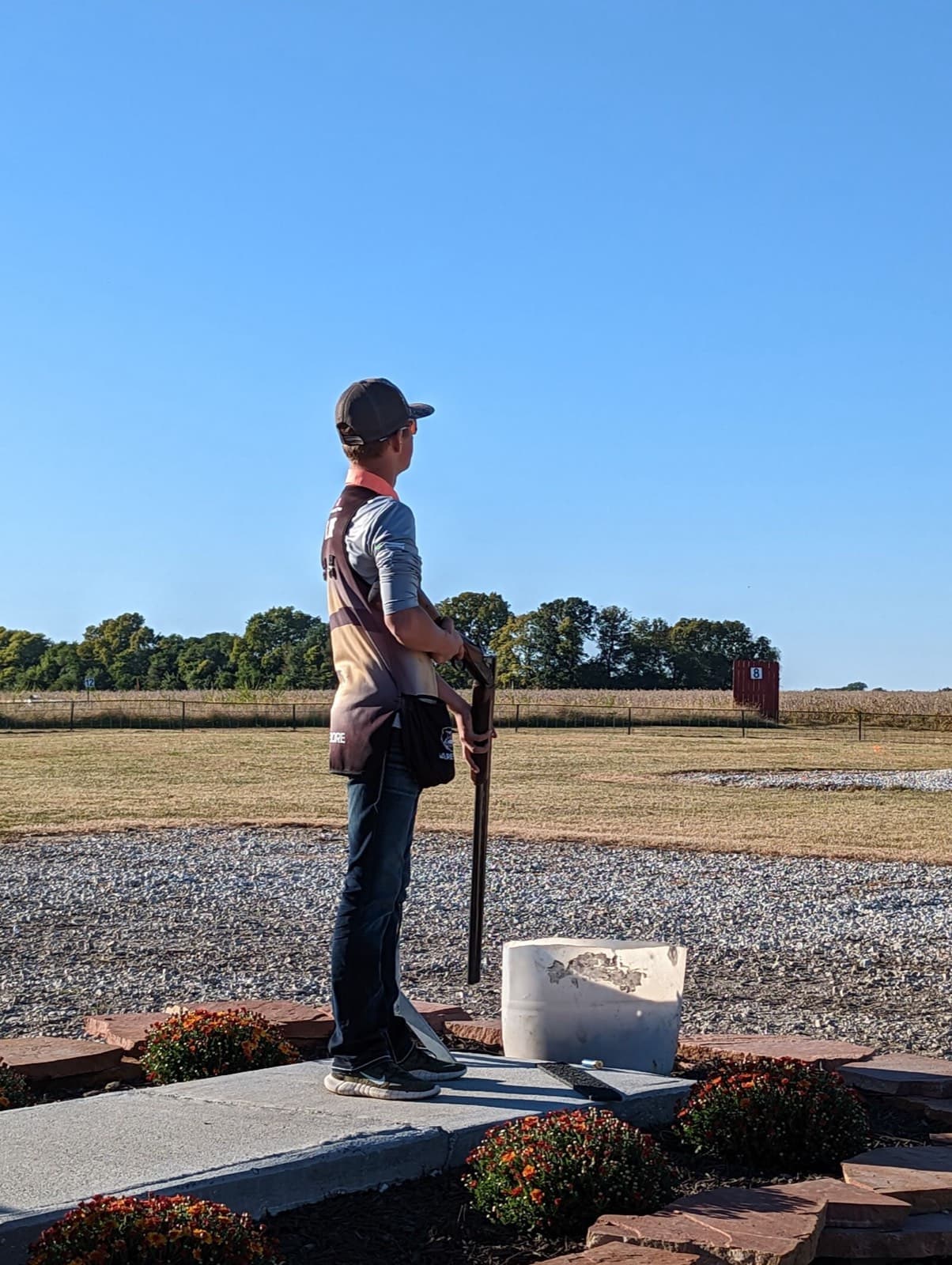
The winter months are when the next season is built. Five drills you can run on a single five-stand to come out sharper in March. Across the long, hot weekend, the field tightened into a handful of names familiar to anyone who reads the scoreboard. By Sunday morning, the lead was a half-target wide, and the back course had become the only thing anyone wanted to talk about.
Sporting clays is a game of attention. The shooters who win events like this one don't do it on raw eye. They do it by holding the same level of focus from the first station to the eighth, from preliminary days into the main event. Watch enough of them and you start to notice the rituals: a deliberate pre-mount, a fixed gaze on the trap house, the small breath between targets.
The moment that decided it
The story of any major shoot is usually the story of one or two stations. Here, it was station six on the back course, a long crossing pair, with the second target slipping into shadow behind a stand of pines. The leader broke one and lost the second. The challenger broke both.
“You can't shoot for the leaderboard. You shoot the target in front of you.”
It's the kind of advice every clays shooter has heard a hundred times. The difference, of course, is who can actually do it when the scoreboard says otherwise.
What it means for the season
This is the kind of win that reshapes a year. It moves names up the All-American conversation, it changes invitation lists for the year-end shoots, and it puts a particular course back on the map. Expect to see the layout copied at half a dozen events before the season is out.

